I’ve been to plenty of cities where one day feels like a race against the clock. Chengdu isn’t one of them. Even with a single day, the city doesn’t push you. It sits there, humid and unhurried, and somehow you still end up doing more than you planned.
Morning comes early here, not because of alarms but because of sound. The clatter of mahjong tiles from an upper floor. A vendor dragging a metal cart over uneven pavement. The smell of chili oil drifting up from somewhere below the window. You don’t need a fancy hotel breakfast. Go outside. Follow the steam.
I ended up at a tiny shop near Wenshu Monastery, the kind of place with plastic stools and a laminated menu stuck to the wall. Ordered a bowl of dan dan noodles without really knowing what I was getting. Ten minutes later I was sweating, nose running, and already planning my next bowl. That’s Chengdu for you. It doesn’t ask permission to wake you up.
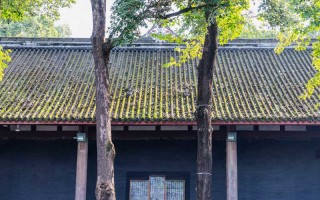
From there, I walked to the monastery itself. It’s easy to miss how quiet the place is until you step through the gate. Incense hangs in the air. Old men feed koi with the slow patience of people who’ve done this a thousand times. I sat on a stone bench and watched a cat sleep under a handwritten sign about vegetarian lunch. No one rushed me. No one even looked at me twice. That’s the real luxury of traveling alone.
.jpg "A Chengdu Day Trip That Doesn’t Feel Like a Checklist-第1张图片-四川省中国青年旅行社")
By noon, I made my way to People’s Park. If you’ve read anything about Chengdu, you’ve heard of it. But reading about it and sitting there are different things. The tea houses are packed but not loud. Families argue gently. Friends play cards with more hand gestures than words. A man offered me sunflower seeds from a crumpled bag. I took a few, nodded, and he went back to his newspaper. It was the most natural interaction I had all week.
I ordered jasmine tea in a covered bowl. The waiter poured hot water from a long-spout kettle with the ease of someone who could do it in his sleep. I watched the leaves sink and thought about how many afternoons had passed exactly like this, decades before I arrived. Chengdu doesn’t try to be timeless. It just is.
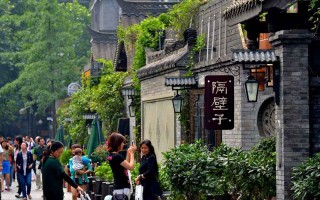
Later, I skipped the panda base. Not because it’s bad—it’s actually great if you go early—but because I didn’t want to spend an hour in a queue. Instead, I wandered through the old neighborhoods behind the university. Small bookshops, fruit sellers, a woman making scallion pancakes on a griddle that looked older than me. I bought one, burned my tongue, and kept walking.
For dinner, obviously, hotpot. You can’t come to Chengdu and skip it. But don’t overthink the restaurant choice. The best ones are often the loudest, brightest, and least photogenic. I sat at a table alone with a bubbling pot of red oil and a plate of beef that was still moving. The waiter laughed when I ordered a mild broth. “That’s not Chengdu style,” he said. I switched back to spicy. He was right.
By the time I stumbled back toward my hotel, the streets had shifted. Neon signs reflected in puddles from an earlier drizzle. A group of teenagers practiced dance moves outside a convenience store. Somewhere a saxophone played a tune I half-recognized from the open window of a bar.
I didn’t see everything. I didn’t try to. That’s the trick with Chengdu. One day is never enough, but somehow it’s exactly what you needed. You leave with a burning tongue, a full stomach, and the strange feeling that the city didn’t perform for you. It just let you sit in on a day of its life.
And honestly, that’s more than most places offer.
标签: 成都一日游的英语
【备注】:如需即时、准确或者更多相关信息,请联系客服。